• Home
  • Tools
    • PPC Signal
    • PPCexpo Keyword Planner
    • PPC Audit
    • ChartExpoTM PPC Charts
    • PPCexpo PPC Reports
    • Combinations Calculator
  • Pricing
  • Contact us
  • Resources
    • PPC Signal Dashboard
    • PPC Reports Templates
    • PPC Guide
    • Join Our Facebook Group
    • Charts
      • CSAT Score Survey Chart
      • Likert Scale Chart
      • Pareto Chart
      • Sankey Diagram
  • Blog
Categories
All Digital Marketing PPC SEO Data Analytics Data Visualizations Survey

We use cookies

This website uses cookies to provide better user experience and user's session management.
By continuing visiting this website you consent the use of these cookies.

Ok
Home > Blog > Data Analysis >

What is On-Target Earnings (OTE)? A Quick Guide

What are on-target earnings (OTE), and how can they influence your career?

Picture this: You give the best job interview for a sales role. The hiring manager throws around an OTE of $100,000. This leaves you wondering — what does that mean to me, and why should I care?

What is On-Target Earnings

Here’s the deal: OTE stands for on-target earnings, the total annual compensation a sales rep can expect. That is, provided they hit certain performance benchmarks. OTE is the source of motivation that helps to close deals; the lifeblood for salespeople’s performance.

Here’s a startling fact: Organizations that use OTE as an element of payment observe soaring staff motivation and engagement. An OTE is a huge motivator, propelling sales reps to work hard and exceed expectations.

But how is OTE calculated, and what are its benefits?

Let’s break it down: OTE is calculated by combining an employee’s base salary with expected commissions or bonuses tied to performance benchmarks. The magic number sets clear expectations around potential earnings and performance objectives.

For sales-oriented positions, OTE is the compass guiding professionals toward their financial goals. It drives sales teams’ performance and is a linchpin in getting top talent.

By now, you are itching to learn the secrets of OTE.

Buckle up!

This blog post will delve into the intricacies of OTE, from its definition to its implications in various professional contexts.

Table of Contents:

  1. What is On-Target Earnings?
  2. What Does OTE Mean in Sales?
  3. What is included in OTE?
  4. Why is OTE Important?
  5. Examples of OTE
  6. How to Calculate OTE?
  7. How Does the On-Target Earnings Model Work?
  8. How to Analyze On-Target Earnings in Excel
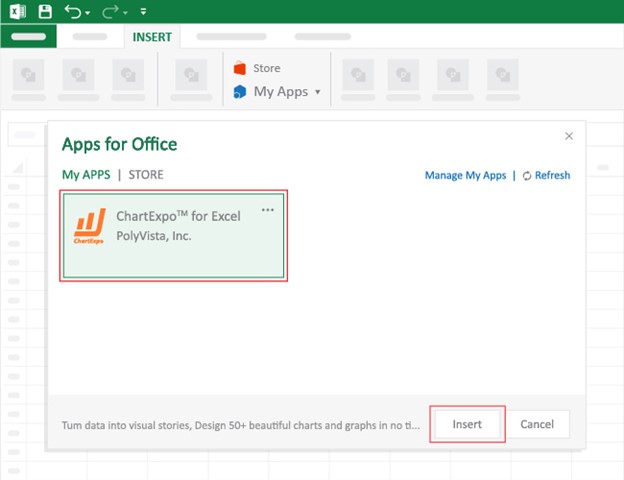
    • Step 1: Click on My Apps
    • Step 2: Choose ChartExpo
    • Step 3: Choose the “Multi-Axis Line Chart”
    • Step 4: See the Multi-Axis Line Chart
    • Step 5: Select “Create Chart From Selection” 
    • Step 6: Generate visualization
    • Step 7: Change the Data Representation
    • Step 8: Click Edit Chart
    • Step 9: Click the “Save Changes”
    • Step 10: Final Multi-Axis Line Chart
  9. 5 Features of an Effective OTE Structure
  10. Benefits of OTE
  11. Best Practices for Implementing OTE
  12. FAQs
  13. Wrap Up

First…

What is On-Target Earnings?

Definition: On-Target Earnings (OTE) is used in sales and performance-based roles. It represents an employee’s total compensation if they meet specific targets.

OTE includes both base salary and variable components like bonuses or commissions.

The base salary is fixed and guaranteed, offering stability. However, the variable depends on achieving set goals or quotas that align with short-term business goals. Companies use OTE (On-Target Earnings) to motivate employees to reach high-performance levels.

This approach not only drives success but also provides a clear earnings potential for achieving targets, encouraging employees to excel and contribute to the company’s objectives.

By aligning incentives with performance and short-term business goals, it enhances overall productivity.

Additionally, understanding these dynamics can be enriched through a Quality Earnings Report, which offers deeper insights into the factors driving financial performance and sustainability.

For small businesses, incorporating these strategies and insights into your financial statement for small business can provide a comprehensive view of your company’s health and potential for growth.

For example, if an OTE is $100,000, it might consist of a $60,000 base salary and $40,000 in potential bonuses. If the employee meets their targets, they earn the full $100,000.

If they exceed targets, they might earn more. Conversely, if they don’t meet targets, they earn less.

OTE helps align employee efforts with company goals, driving productivity and performance.

What Does OTE Mean in Sales?

Definition: On-target earnings (OTE) in sales represent the total potential income a salesperson can earn by meeting performance targets. It includes two main components: base salary and variable pay.

  • Base salary: This is the fixed part of the compensation, guaranteed regardless of performance.
  • Variable pay: This part depends on achieving sales targets, such as commissions or bonuses.

For example, a sales position might have an OTE of $100,000. This could comprise a $60,000 base salary and $40,000 in commissions. If the salesperson meets their sales quotas, they earn the full $100,000. Exceeding quotas can lead to higher earnings. They only receive the base salary or a reduced total if targets aren’t met.

OTE motivates salespeople by directly linking their earnings to their performance. It provides clear financial goals, encouraging them to achieve or surpass sales targets. This alignment benefits both the salesperson and the company.

What is included in OTE?

OTE, or On-Target Earnings, addresses the absolute pay a representative can procure assuming they meet their presentation targets.

It commonly incorporates base compensation and any factor parts like commissions, rewards, or motivators. Advantages like medical coverage, retirement commitments, and investment opportunities may likewise be essential for OTE.

The structure of OTE is commonly used in sales and performance-based roles. It serves as a motivational benchmark for employees to understand potential earnings. However, actual earnings may vary based on performance and market factors.

Why is OTE Important?

Understanding On-Target Earnings (OTE) is essential, especially if you work in sales or a performance-based role. Here’s why OTE is so important:

  • Motivates performance: OTE provides a clear financial incentive to achieve or exceed targets. Knowing that higher performance directly translates into higher pay encourages employees to put in their best effort.
  • Transparent compensation: OTE offers a transparent view of potential earnings. Employees can see exactly how their performance impacts their pay, which builds trust and reduces confusion about compensation.
  • Attracts talent: Competitive OTE packages are attractive to top talent. High-performing individuals are likely to join a company where they see a clear path to rewarding their efforts financially.
  • Aligns goals: OTE helps align employee goals with company objectives. How? Employees understand that meeting their targets benefits both them and the company. This makes them more motivated to work in sync with organizational goals.
  • Encourages accountability: OTE holds employees accountable for their performance. It fosters a results-driven culture where employees take ownership of their targets and strive to meet or exceed them.
  • Boosts retention: Employees whose hard work is rewarded fairly and transparently are more likely to stay with the company. This reduces turnover and helps build a stable, experienced workforce.

Examples of OTE

Understanding On-Target Earnings (OTE) can be clearer with some practical examples. Here are a few scenarios that illustrate how OTE works in different roles:

  1. Sales Representative: Jane’s OTE is $90,000. Her compensation package includes a $50,000 base salary and $40,000 in potential commissions. If Jane meets her sales targets, she earns the full $90,000. If she exceeds her targets, she can earn even more.
  2. Account Manager: Tom’s OTE is $120,000. This includes a $70,000 base salary and $50,000 in performance bonuses. Tom’s bonuses depend on customer retention rates and upselling additional services. Meeting his targets ensures he gets the full $120,000.
  3. Business Development Executive: Sarah’s OTE is $150,000. Her base salary is $80,000, with $70,000 in potential bonuses for securing new business deals. If Sarah lands enough new contracts, she will earn her full OTE and might even surpass it with extra commissions.
  4. Customer Success Manager: Mark’s OTE is $100,000. He receives a $60,000 base salary and $40,000 in bonuses linked to customer satisfaction scores and renewal rates. Achieving high satisfaction and renewal rates earns him the full $100,000.
  5. Regional Sales Manager: Lisa’s OTE is $200,000. Her package includes a $120,000 base salary and $80,000 potential bonuses. Lisa’s bonuses depend on the overall performance of her sales team across the region. Meeting team targets allows her to reach the full OTE.

How to Calculate OTE?

Calculating On-Target Earnings (OTE) might seem complicated, but it’s pretty straightforward once you break it down. Here’s a simple guide to help you understand how to calculate OTE:

  1. Determine the base salary: Start with the fixed part of the employee’s compensation. This is the guaranteed amount they will earn regardless of performance. For example, let’s say the base salary is $50,000.
  2. Identify variable pay: Next, identify the variable component, which includes commissions, bonuses, or any other performance-based pay. This part is contingent on meeting specific targets. Assume the potential commissions and bonuses total $30,000.
  3. Set performance targets: Clearly define the performance metrics or quotas needed to earn the variable pay. These targets should be realistic, measurable, and aligned with company goals. For instance, a sales target could be closing $500,000 in new business within a year.
  4. Add base salary and variable pay: Add the base and variable pay to get the OTE. In this example, the base salary ($50,000) plus the variable pay ($30,000) equals an OTE of $80,000.

How Does the On-Target Earnings Model Work?

Let’s break down how the On-Target Earnings (OTE) model works. It’s a win-win scenario where your success directly translates into financial rewards. Here’s how it works:

  • Combines base salary and variable pay: The OTE model includes a fixed base salary plus variable pay. The base salary is guaranteed, while the variable pay depends on meeting specific targets, such as sales quotas.
  • Sets clear targets: Specific performance targets or quotas are established. These targets are clear and measurable, so employees know exactly what they need to achieve to earn their full OTE.
  • Rewards performance: If you meet your targets, you earn the full OTE, which includes your base salary and the variable component. Exceeding your targets can earn more than your OTE through additional bonuses or commissions.
  • Adjusts for underperformance: The variable component is reduced if targets are not met, resulting in lower total earnings than the OTE. This ensures that higher earnings are directly tied to performance.
  • Provides a motivational framework: The OTE model is a motivational tool. It outlines the financial rewards for high performance, encouraging employees to aim for and exceed targets.

How to Analyze On-Target Earnings in Excel

Let’s analyze this on-target earnings sample data in Excel using ChartExpo.

Employee Basic Salary Commission Incentives
Employee 1 5000 3000 1000
Employee 2 4500 2500 800
Employee 3 5200 2000 1200
Employee 4 5400 1500 500
Employee 5 4200 1300 700
Employee 6 3500 800 100
Employee 7 3200 500 50

Step 1: Click the My Apps

On-Target Earnings 1

Step 2: Choose ChartExpo

On-Target Earnings 2

Step 3: Choose the “Multi-Axis Line Chart”

On-Target Earnings 3

Step 4: See the Multi-Axis Line Chart

On-Target Earnings 4

Step 5: Select “Create Chart From Selection”

On-Target Earnings 5

Step 6: Generate visualization

What is On-Target Earnings 6

Step 7: Change the Data Representation

What is On-Target Earnings 7

Step 8: Click Edit Chart

What is On-Target Earnings 8
  • Click the pencil icon to change the title

It will open the properties dialog. Under the Text section, you can add a heading in Line 1 and enable Show.

Give the appropriate title of your chart and click the Apply button.

What is On-Target Earnings 9
  • You can set the precision to zero for axis values
What is On-Target Earnings 10

Similarly, you can set precision for other axes.

  • You can add the dollar sign as a prefix with “Incentives”
What is On-Target Earnings 11

Similarly, you can add the dollar sign as the prefix for other axes.

  • You show/hide the legend and set the position of the legend
What is On-Target Earnings 12
  • You can change the shape type in the legend
What is On-Target Earnings 13

Similarly, change shape type as column, line, circle, and area.

What is On-Target Earnings 14

Step 14: Click the “Save Changes” button

What is On-Target Earnings 15


Step 15: Final “Multi-Axis Line Chart”

What is On-Target Earnings 16

Insights:

  • Employees with higher commissions and incentives (e.g., Employee 1 and Employee 3) may be top performers.
  • Employees with lower figures in these categories (e.g., Employee 6 and Employee 7) might need attention for performance improvement.
  • There’s a significant gap between the top earners and the lower earners, which might indicate differences in roles, performance levels, or targets.

5 Features of an Effective OTE Structure

  • Transparency – Clearly defines base salary and variable components for easy understanding.
  • Achievability – Set realistic targets that align with market conditions to motivate employees.
  • Fairness – Ensures equitable compensation relative to roles and efforts.
  • Scalability – Allows adjustments as the company or individual progresses.
  • Alignment with KPIs – Links rewards to measurable outcomes, driving desired performance.

Benefits of OTE

Understanding On-Target Earnings (OTE) is vital for both employees and employers. Let’s explore some key benefits of OTE:

  • Encourages top performance: OTE provides a tangible financial reward for hitting and exceeding performance goals, giving employees a clear incentive to excel. When workers see that surpassing their targets translates into significantly higher income, their motivation to achieve peak performance skyrockets. Integrating a performance chart for employees can visually track these achievements, making it easier for both employees and managers to engage in effective progress monitoring, celebrate successes, and stay laser-focused on key objectives.
  • Aligns employee and company goals: OTE helps align individual objectives with organizational goals. When employees understand that their success directly impacts the company’s success, they are more likely to work towards shared targets.
  • Draws in top talent: Competitive on-target earnings packages appeal to high-achieving individuals. Prospective employees are attracted to positions that connect their efforts with their earnings.
  • Boosts job contentment and employee retention: Workers who receive recognition for their efforts in a transparent and equitable pay structure are more likely to experience satisfaction. This contentment can increase employee retention rates, as they feel appreciated and encouraged to stay.
  • Promotes accountability and transparency: OTE fosters a culture of accountability. Employees are clear about what they must achieve and how their efforts translate into earnings. This transparency helps build trust between employees and management. Why? Everyone understands the compensation structure and performance expectations.

Best Practices for Implementing OTE (On-Target Earnings)

  • Define Clear Metrics: Establish measurable performance goals aligned with organizational objectives.
  • Align Compensation Plans: Ensure OTE reflects a balance between base salary and variable pay, motivating employees effectively.
  • Communicate Transparently: Clearly explain how OTE is calculated and its impact on pay to build trust.
  • Regular Reviews: Reassess OTE structures periodically to ensure relevance and fairness in changing market conditions.
  • Customize by Role: Tailor OTE to reflect the responsibilities and potential contributions of specific job roles.
  • Incorporate Feedback: Use employee and leadership input to refine OTE models for greater alignment and satisfaction.

FAQs

What is a good OTE?

A good OTE balances a competitive base salary with achievable performance-based bonuses. It should motivate employees, align with industry standards, and reflect realistic targets. This ensures fairness, drives high performance, and attracts and retains top talent.

Does on-target earnings include equity?

On-Target Earnings (OTE) typically include a base salary and performance-based bonuses or commissions. It does not usually include equity. However, equity may be offered separately as part of the overall compensation package in some companies.

Wrap Up

On-Target Earnings (OTE) is crucial in performance-based roles, especially sales. It represents an employee’s potential earnings if they meet specific performance targets. OTE combines a fixed base salary and variable pay components, such as bonuses or commissions.

The base salary is the guaranteed part of the compensation. Employees receive this regardless of their performance. Variable pay, on the other hand, depends on achieving set targets. This part includes bonuses and commissions tied to specific goals or quotas.

OTE motivates employees to perform at their best. Knowing that higher performance directly translates into higher earnings encourages employees to strive for excellence. It provides a clear financial incentive and aligns individual goals with company objectives.

Transparent and competitive OTE packages attract top talent. High performers are drawn to roles where they can see a direct link between their efforts and earnings. This helps companies recruit and retain the best employees.

In conclusion, OTE is a powerful tool in performance-driven roles. It combines base salary and variable pay, motivating employees, aligning goals, attracting talent, and supporting financial planning. Knowing how OTE works is essential for maximizing earnings and achieving success.

How much did you enjoy this article?

We will help your ad reach the right person, at the right time

PPC Signal

Your Data. Your Insights.

Actionable insights discovered for you. Now you can do more in less time.

PPCexpo Keyword Planner

Find the Perfect Keyword. Surprise Yourself.

PPCexpo Keyword Planner will help you align your keywords with the customers’ intent.

PPC Audit

Free Google Ads Audit Report.

Frequent audits will help you optimize your PPC campaign for success.

ChartExpo PPC Charts

Picture a Thousand Numbers. See the Big Picture.

Visualizations give you the ability to instantly grasp the insights hidden in your numbers.

PPCexpo PPC Reports

Simple and Easy PPC Reporting. For Everyone.

Experience the new revolution in reporting … click your way to insights, don’t scroll.

Combinations Calculator

Do the Math.

Calculate the number of combinations in your PPC campaign. It may surprise you.

Insightful pay-per-click tips and tricks, delivered to your inbox weekly.

CTR Survey

GSAd1
Start Free Trial!
137999

Related articles

next previous
Data Analysis21 min read

Audience Segmentation: Lets You Target Smarter, Faster

Audience segmentation helps divide audiences into precise groups based on behaviors, demographics, and preferences. See how it improves campaigns.

Data Analysis17 min read

Ad Hoc Reporting Essentials: Tips, Tools, Techniques, and More

Discover the potential of Ad Hoc Reporting: Agile insights at your fingertips! Dive into tools, techniques, and advantages in our guide. Don't miss it!


PPCexpo

  • Home
  • Tools
  • Pricing
  • Contact us
  • PPC Guide
  • Blog
  • Sitemap
  • © 2026 PPCexpo, all rights reserved.

Company

  • Contact us
  • Privacy policy
  • Security
  • Patent

Tools

  • PPC Signal
  • PPCexpo Keyword Planner
  • PPC Audit
  • ChartExpo™ PPC Charts
  • PPCexpo PPC Reports
  • Combinations Calculator

Quick Links

  • PPC Guide
  • PPC Signal Dashboard
  • PPC Reports Templates
  • ChartExpo™ for Google Sheets
  • ChartExpo™ for Microsoft Excel
  • PPCexpo Keyword Planner Google Chrome Extension

Charts

  • CSAT Score Survey Chart
  • Likert Scale Chart
  • Pareto Chart
  • Sankey Diagram

Category

  • PPC
  • SEM
  • SEO
  • SMM
  • Data Visualization
  • Others
Join our group

Benefits

  • Q&A on PPC advertising
  • Get expert advice
  • Great PPC discussions
  • Stay updated with PPC news
  • Quick support on tools
  • Discounts and special offers